SmartCleave 切割技术:精密玻璃制造领域的绝对赢家
A highly sophisticated glass cutting technique based on ultrashort pulse lasers delivers the results needed for the most demanding applications.
February 10, 2022 by Coherent
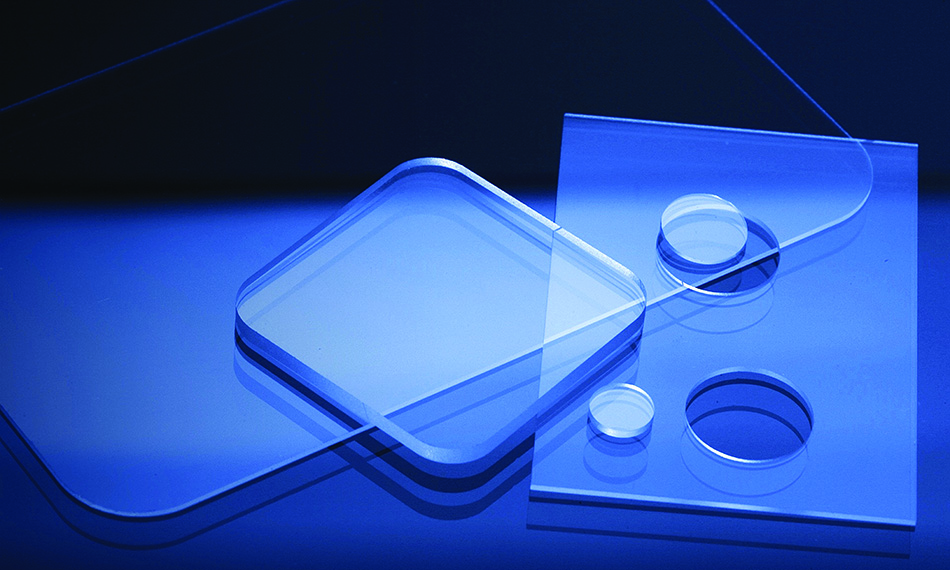
玻璃确实无处不在,这种状况已持续了5000多年。因此,人们很容易忽略这样一个事实:玻璃是一种独特的材料,其物理特性具有非常实用的组合。其中最明显、也是最有价值的一点,就是它的透明性。
不过,玻璃还具有很高的机械强度,且相对耐刮擦。此外,它不会与大多数化学物质发生反应——甚至包括许多强酸。而且,液体和气体都无法穿透它。玻璃甚至具有生物相容性,这意味着经过消毒的玻璃可以安全地植入人体。
For these reasons, and more, the use of glass has expanded far beyond the architectural and automobile windows we’re all familiar with into increasingly sophisticated products. It’s already widely used in medical devices, life sciences instrumentation, semiconductor tools, and consumer electronics. In the latter, it’s used for display screens in phones, laptops, tablets, and televisions.
老办法行不通了
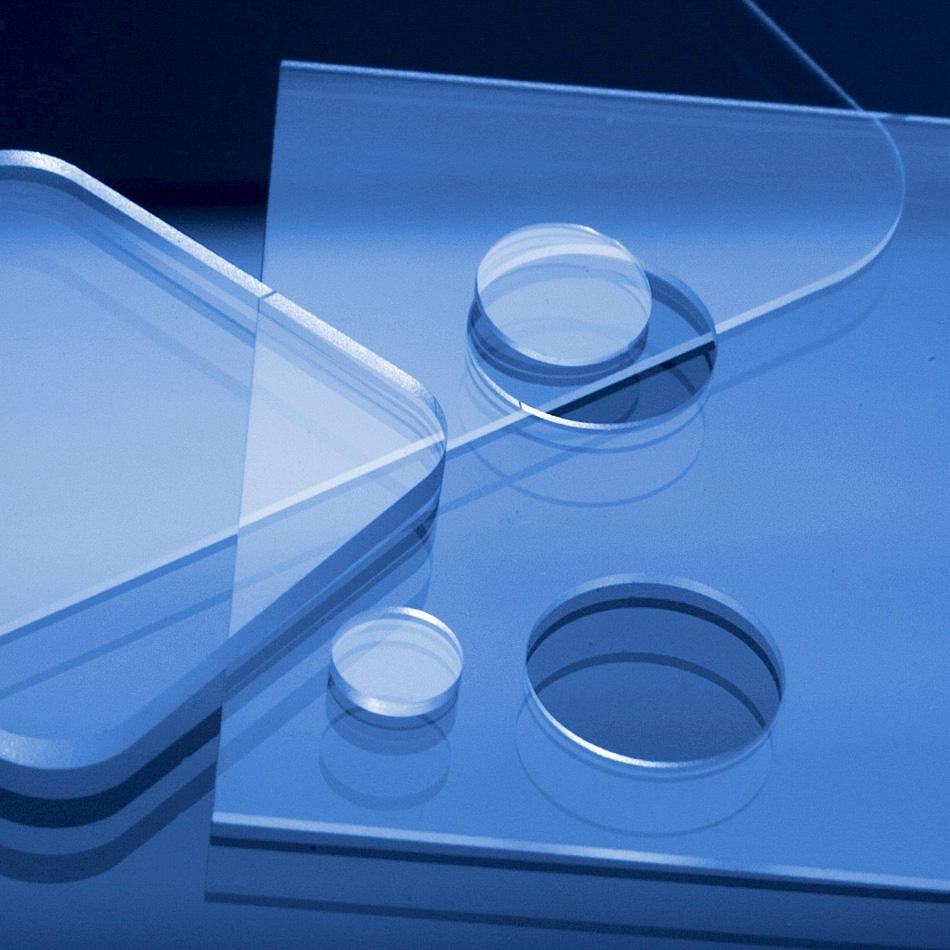
在许多高科技应用领域,人们不断追求让产品功能日益强大,同时在物理尺寸上变得更小、更轻。就玻璃的应用而言,这通常意味着需要更薄的玻璃片,且往往带有弧形边缘或开孔。例如,手机显示屏上为“主页键”预留的开孔便是其中一例。
然而,这一需求带来了挑战。这是因为传统的玻璃切割方法——例如使用硬质合金刀具进行的传统机械切割,或是水刀切割——难以处理极薄的玻璃片,也难以实现此类特征——尤其是紧凑的曲线。至少在成本和生产时间受限的情况下无法做到。即便是常见的激光玻璃切割方法,也无法以具有成本效益的方式达到市场所需的加工速度。
此外,这些传统的玻璃切割方法会在玻璃中产生细微裂纹和残余应力。这使得玻璃在后续搬运和使用过程中更容易破裂。因为奇怪的是,事实证明,当玻璃破裂时,裂纹几乎总是从外缘开始,即使施加的力位于玻璃中心。
大多数玻璃切割工艺通常会产生细小的碎屑和残渣,且切割边缘未必与玻璃表面完全垂直。正因如此,可能需要进行打磨或抛光等额外工序。
For the manufacturer, any additional processing steps required after cutting represent increased production time and cost. Plus, they may have negative environmental impacts if they generate debris that’s hard to dispose of, or require lots of water for cleaning.
SmartCleave 加速精准激光玻璃切割
A new cutting method called “filamentation” was developed specifically to meet the growing need for precision, stress-free, debris-free, freeform cutting of thin glass. Filamentation requires an ultrashort pulse (USP) laser because only these can generate the very high peak power this technique relies on.
In filamentation, the USP laser is focused into glass to create a line of microscopic voids (or filaments) which can go several millimeters deep. To make a continuous cut, the laser beam is moved relative to the glass in the desired pattern, and a series of very closely spaced filaments are produced. Depending upon the glass thickness and type, the part will either directly separate along the cut, or can be separated by heating it.
Filamentation enables high-speed cutting of curves and insets (without taper) into glass ranging from 0.05 mm to 10 mm in thickness. And, it even works chemically strengthened glass, which is used extensively in touchscreen displays.
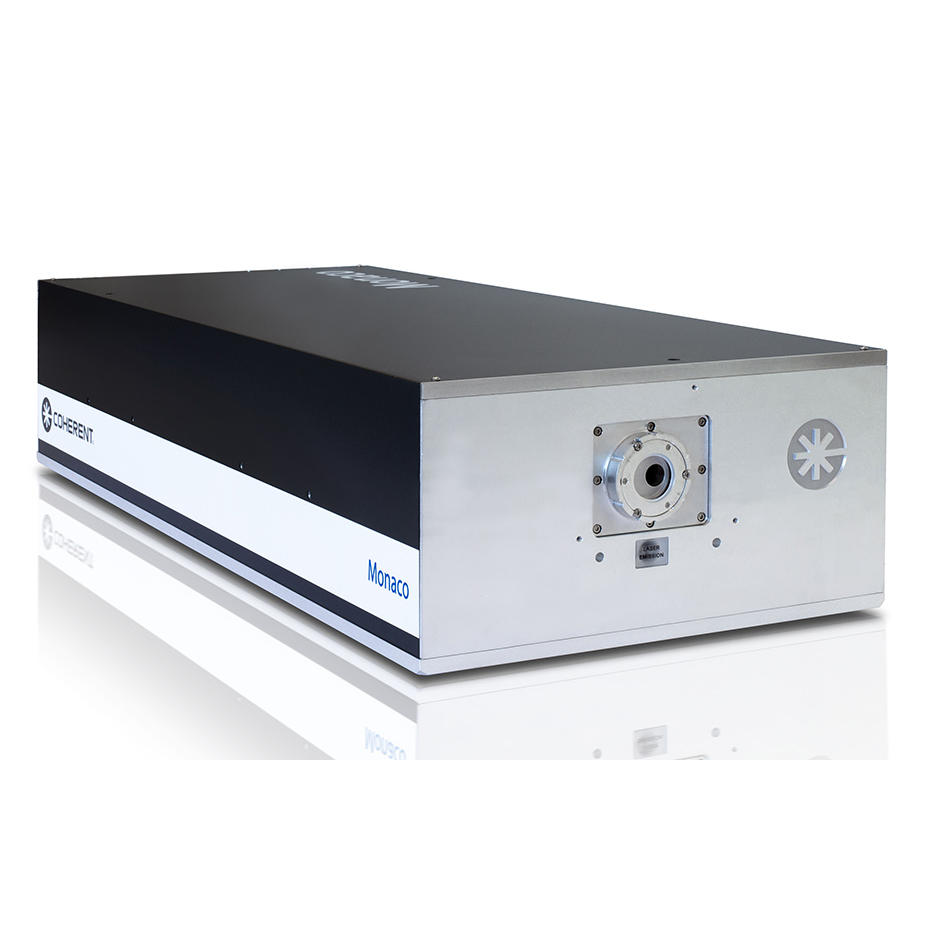
Coherent has developed our own form of filamentation cutting, called SmartCleave. This method specifically utilizes the unique characteristics of our HyperRapid series USP lasers. One of these is the so-called “burst mode” operation, where the laser delivers a rapid-fire series of pulses. This ends up producing a gentler heating profile than a string of pulses having the same total energy, but delivered over a longer time period.
SmartCleave 的优势在于可将切割速度提升多达一倍。与其他纤维化切割方法相比,它切割出的孔洞更加光滑笔直。此外,SmartCleave 切割后的边缘无微裂纹、无碎屑且无杂质。所有这些优势都能提高生产效率,并通过省去后处理步骤来降低成本。而且,它还能生产出机械强度更高的成品玻璃部件。
The use of glass in high technology products is clearly going to continue, because there’s nothing else quite like it. And, SmartCleave cutting enables the production of glass components at the level of precision that these demanding new uses require. Learn more about SmartCleave for cutting glass, sapphire, ceramics, and composite materials.