氢燃料电池的潜力与挑战
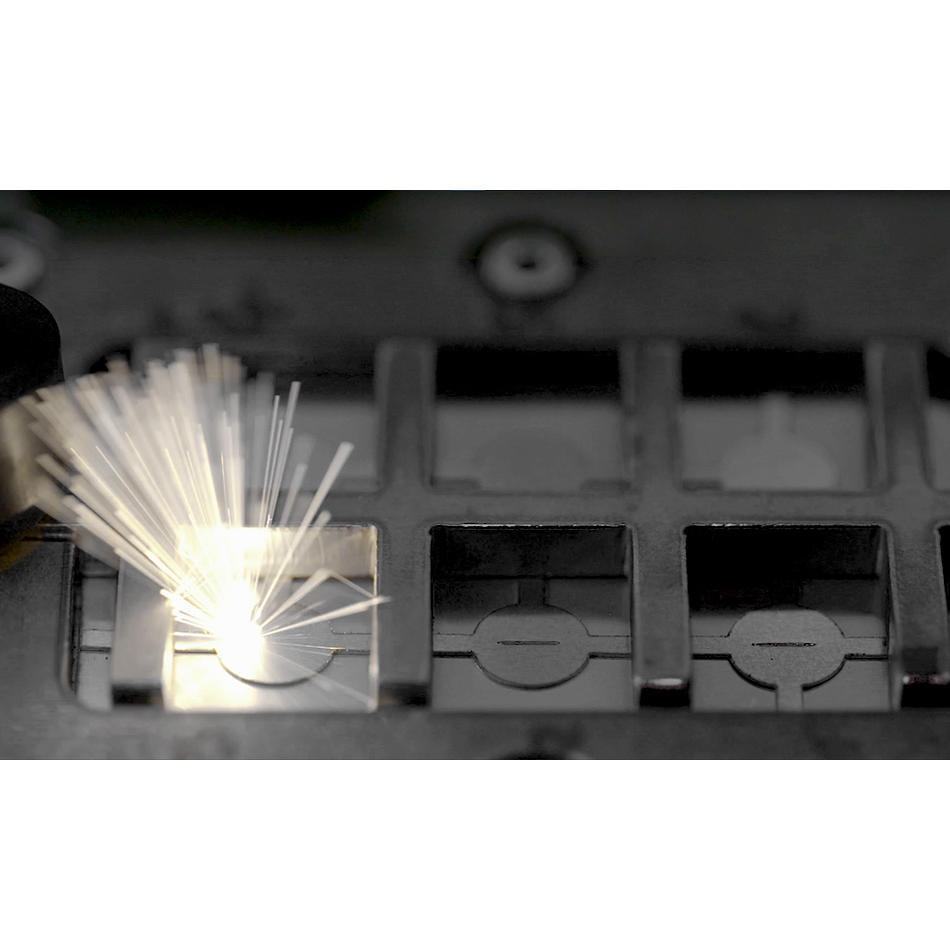
Coherent ARM FL lasers enable cost-effective welding of bipolar plates, a key component of PEM fuel cells.
September 16, 2022 by Coherent
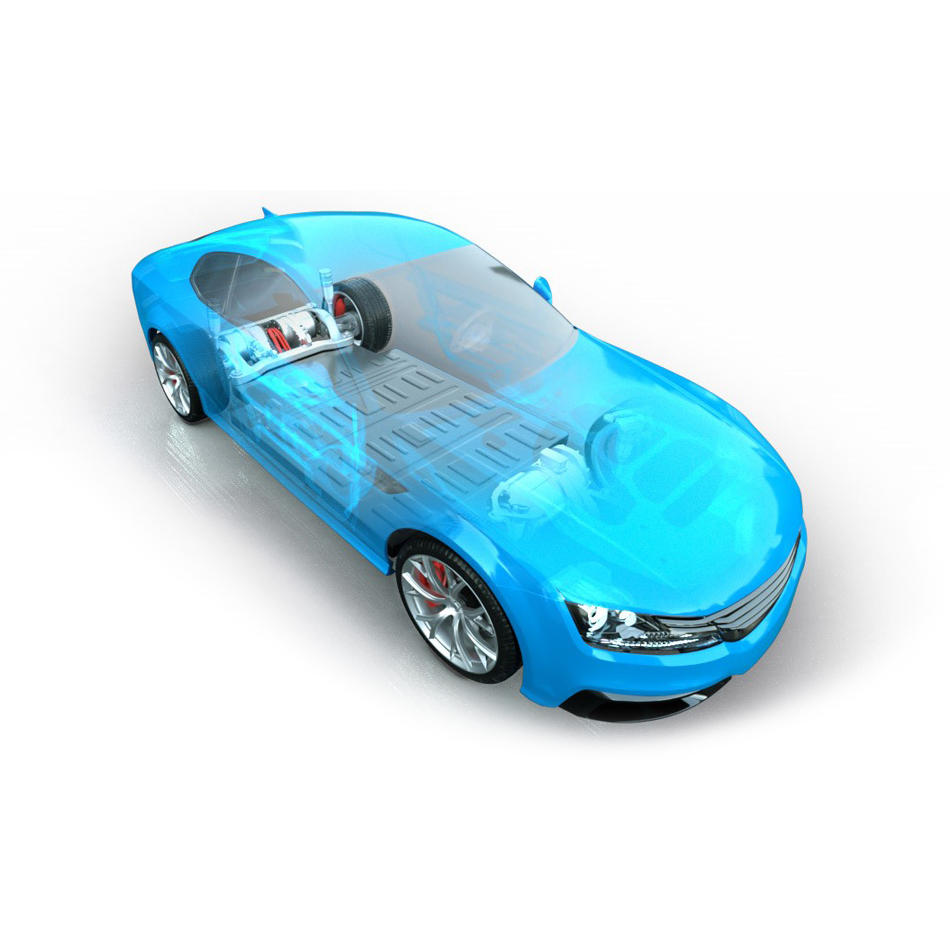
Imagine a highly fuel-efficient car engine that only produces pure water as an exhaust. That’s a hydrogen fuel cell. And it already exists. However, we’re not ready yet to use hydrogen fuel cells to power automobiles on a large scale. That will require developing quite a bit of technology and infrastructure to make them practical and cost-competitive with other technologies. Coherent is already developing fiber laser processes to contribute to that effort.
掌握这项技术
从技术上讲,氢燃料电池被称为质子交换膜燃料电池(PEMFC),或聚合物电解质膜燃料电池。它包含正极和负极,两者之间由电解质(一种导电的液体)隔开。氢气从负极进入,空气(含氧)从正极进入。
单个燃料电池(称为膜电极组件,简称MEA)产生的电压不足1伏。对于大多数用途而言,这远远不够。为了达到有用的功率水平,通常将数百个MEA在单个燃料电池内电连接在一起。这些MEA在电池壳体内被物理堆叠在一起。
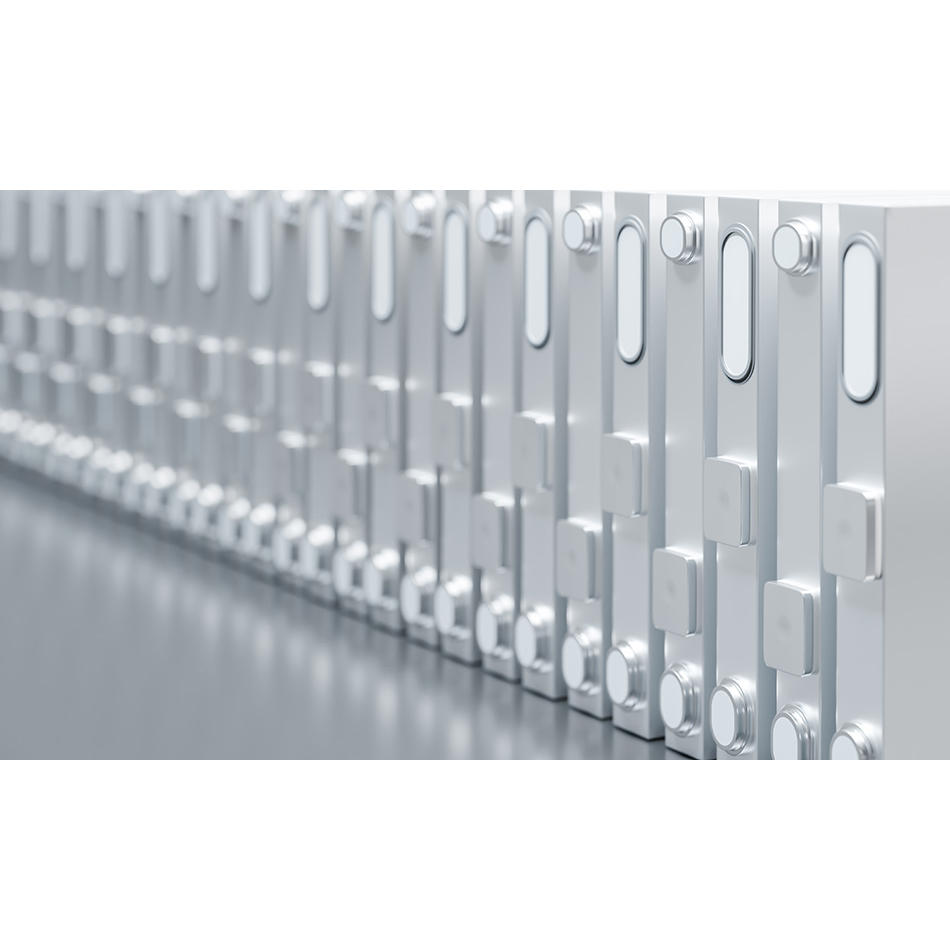
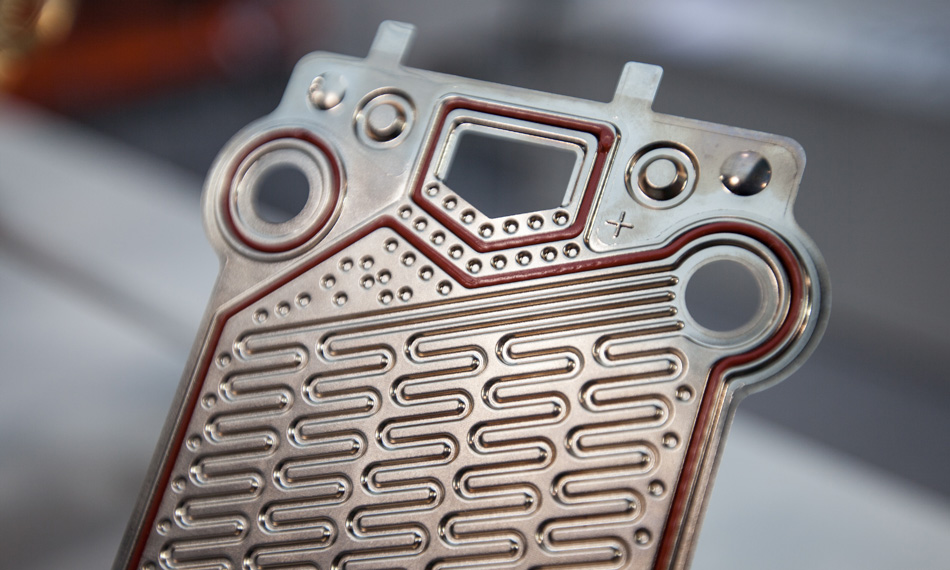
但首先,每个MEA都被密封在两块“双极板”之间。这是一种冲压箔片部件,厚度通常在50微米到100微米之间。它通常由不锈钢或钛制成。双极板不仅使各个MEA能够实现电气连接,还为组件提供了机械强度和刚性,并且内部设有一组通道,允许气体和冷却液在其表面流动。
双极板通过焊接密封在一起。这要求焊缝质量必须非常高——必须通过氢气泄漏测试。此外,双极板形状复杂,包含多个切口,导致焊缝路径较长且弯曲处众多。
Traditional fiber lasers can’t seal the deal
由于每块燃料电池中使用的双极板数量极多,因此密封工艺必须快速完成。否则,可能会造成生产瓶颈。目前估计,要实现经济可行且实用的汽车用质子交换膜燃料电池(PEMFC)生产,其膜电极组件(MEA)密封工艺的焊接速度需超过1米/秒。
Fiber lasers delivered through a scanning system can weld at those speeds, and more. Plus, they can produce the complex shaped welds required. But the weld quality they offer at those feed rates isn’t good.
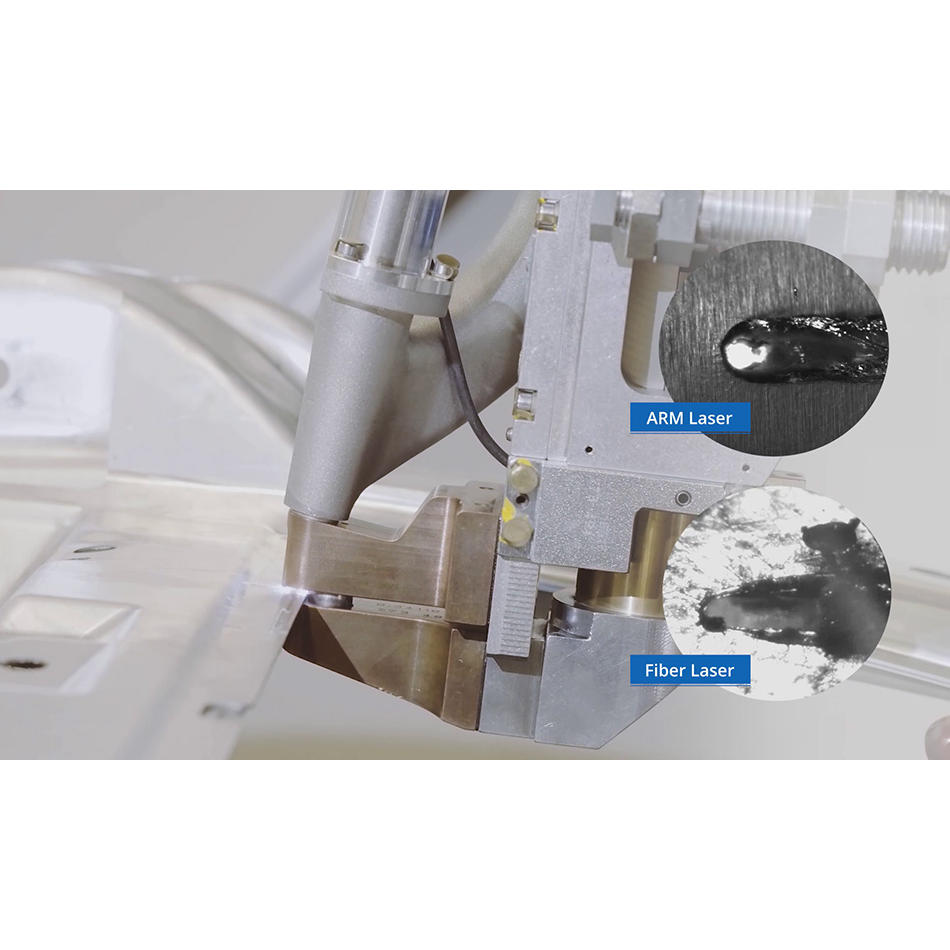
In particular, traditional fiber lasers tend to produce “humping” when welding bipolar plates at high speeds. These are small bumps in the weld seam produced when turbulent areas in the melt pool resolidify. This turbulence is caused directly by the very rapid beam movement.
凸起会造成问题,因为它们会凸出。这导致在组装过程中,MEA 无法紧密堆叠在一起。
ARM FL 成功渡过难关
Testing at Coherent Labs has demonstrated that a properly configured Adjustable Ring Mode (ARM) fiber laser solves the problem of humping. Specifically, a Coherent HighLight FL4000CSM-ARM (4 kW laser with a single mode center beam) can weld stainless steel bipolar plates at speeds of at least 1.2 m/s without any humping. This is 50% faster than previously possible with fiber lasers. For these tests, the laser was delivered through a Coherent HIGHmotion 2D Remote Laser Welding Head.
The ARM fiber laser avoids the problem of humping by eliminating turbulence around the rapidly moving weld melt pool. This is accomplished by taking advantage of the Adjustable Ring Mode architecture.
具体来说,中心光束的功率设定得足够高,以便在目标速度下实现全穿透钥匙孔焊接。而环形光束的功率仅足以熔化材料——使其能够流动——但不足以形成焊接钥匙孔。
This provides a zone around the center beam where the melted material can slow down and flow in a laminar (non-chaotic) fashion. Furthermore, the symmetric, round ARM laser beam always welds the same way no matter which direction it’s heading in. So, there’s no change in weld characteristics when going through curves or changing direction. This provides an advantage over other multi-beam fiber lasers which don’t have a symmetric spot.
Of course, there are many other challenges in deploying fuel cells. These include other cell manufacturing issues, sourcing hydrogen and platinum (which is used as a catalyst to separate the hydrogen atom into protons and electrons). We would also need to develop a network of hydrogen “gas stations” to make getting fuel convenient for the consumer. But, with the ARM FL laser – and the extensive process knowledge Coherent Labs possess about using it effectively for bipolar plate welding – we’ve bypassed one important roadblock in that journey.