让增强现实(AR)成为现实
Coherent manufactures several key AR display components and is actively working to improve the technology.
May 23, 2023 by Coherent
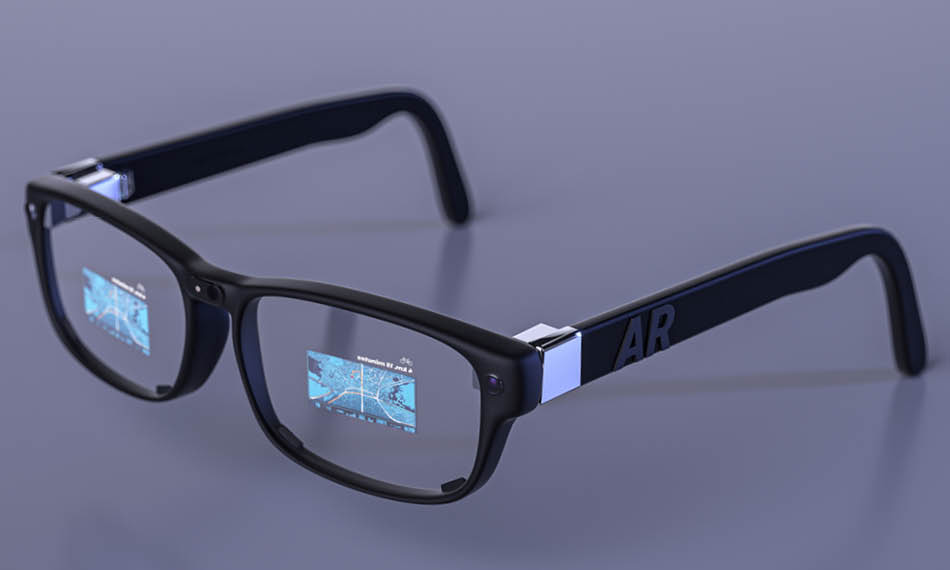
近年来,虚拟现实(VR)和增强现实(AR)在媒体上引起了广泛关注。它们在游戏、医疗保健、培训、工程、建筑、室内设计、旅游、国防,甚至产品营销等众多领域都展现出了巨大的应用潜力。但时至今日,VR/AR 仍未对大多数人的生活产生显著影响。
造成这种情况的两个主要原因在于VR/AR头显的质量和成本。具体而言,质量包括图像亮度、分辨率、视野等参数,以及速度和功耗等电子特性。此外,头显的尺寸、重量和电池续航时间等实用因素也至关重要。而成本则意味着要将头显价格降至足够低,使其能够被大多数消费者所接受。
AR挑战赛
要在所有这些领域推动改进,需要克服诸多技术障碍。而且,对于增强现实(AR)头显而言,这些挑战通常比虚拟现实(VR)头显更为严峻。为了理解原因,让我们先回顾一下这些术语的具体含义。相关定义汇总如下表所示。
耳机类型 |
功能 |
耳机特性 |
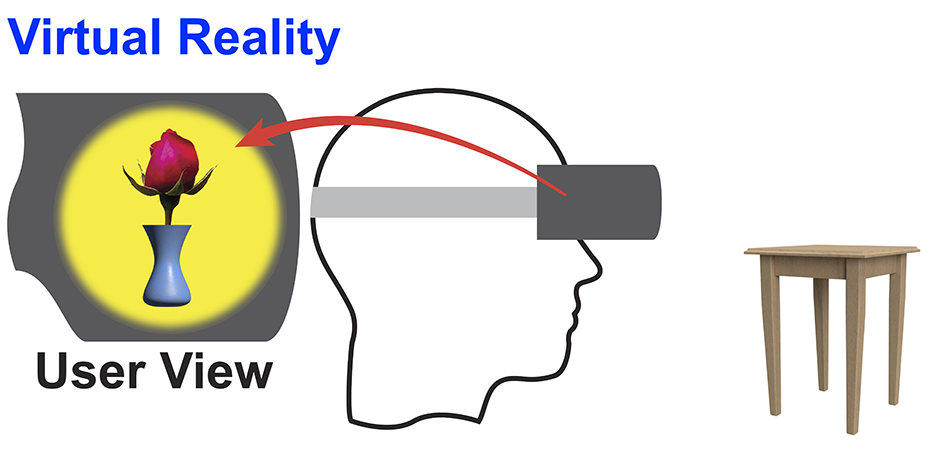 |
一种全沉浸式显示设备,它完全覆盖用户的双眼,并呈现模拟画面。用户完全看不到周围的实际环境。 |
Displays are usually based on LCD or OLED technology. 显示屏正对着用户的眼睛,并通过镜片进行观察。 由于用户是在光线较暗的环境中查看屏幕,因此对屏幕亮度的要求相对宽松。 |
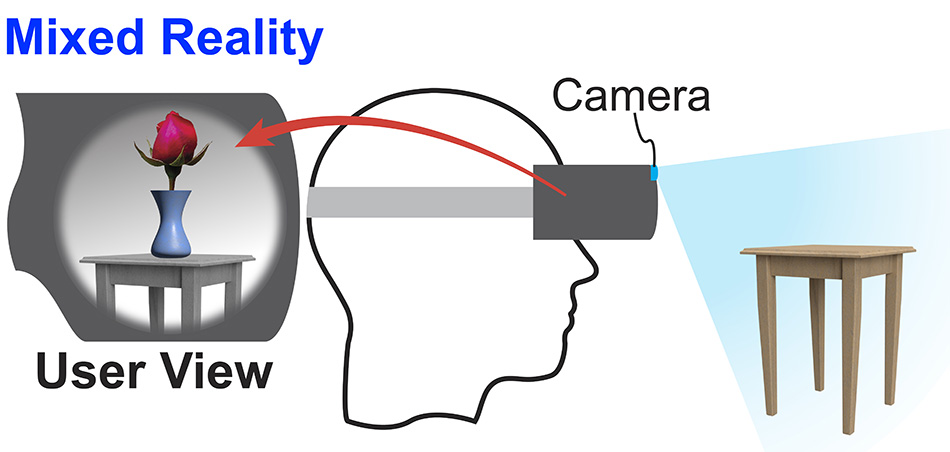 |
这是一款全沉浸式显示设备,不仅完全覆盖用户的双眼,还集成了周围环境的实时视频画面。虚拟与现实的元素在用户的视野中融为一体。 |
|
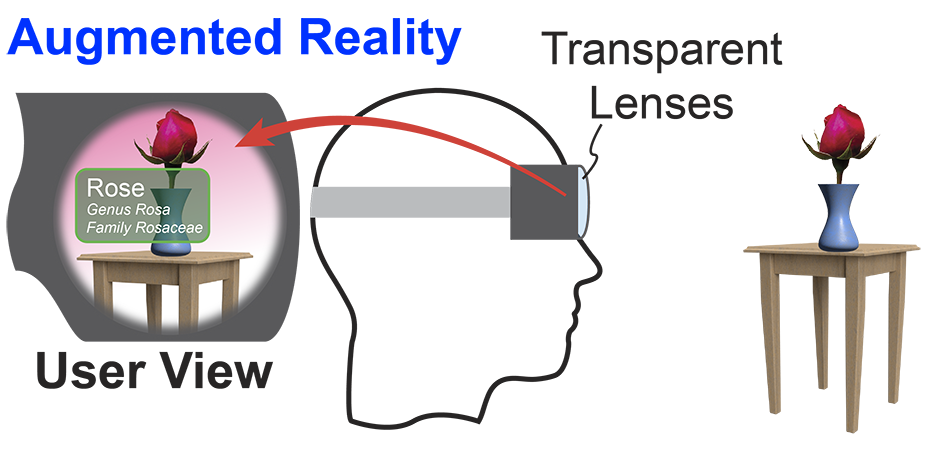 |
半透明显示屏,使用户能够直接观察周围环境。计算机生成的图像会与现实世界中的物体并列显示或叠加在物体之上。 |
Displays are based on micro-displays or laser beam scanning. They are located on the same side of the headset optics as the viewer’s eyes. 使用光学组合器(例如波导或半透镜)来融合虚拟视图和真实视图。 需要较高的屏幕亮度以适应环境光线条件。 |
A key characteristic of VR and MR headsets is that the displays are viewed directly – that is, they sit right in front of the viewer’s eyes. This enables the use of relatively simple, conventional viewing optics similar to those used in instruments like microscopes, binoculars, and rangefinders. Although VR optical systems are much more compressed in terms of size.
In contrast, the displays in AR goggles are not in the field of view of the user, and therefore require sophisticated optics to redirect the light towards the user’s eye. The display output must be combined with the wearer’s direct view of the environment to make virtual objects appear to be out in the real world. The optics to accomplish this – usually beam splitters or waveguides – are much more complex and sophisticated than VR headset lenses.
此外,计算机生成的图像必须在现实世界视图中以正确的方位、距离和方向呈现。这要求头显能够持续追踪用户的头部和身体动作,并确定现实环境中物体的大小、位置和方向。虽然大多数VR头显也具备一定的头部和身体动作追踪功能,但在AR领域,对此类功能的要求通常更为严苛。
The future of AR is clear at Coherent
Coherent is already actively involved in developing photonics-based solutions for these issues for AR systems. We’re mainly focused on three functional elements of AR headsets – the display projector (or light engine), the optical combiner, and the optical sensors.
显示引擎
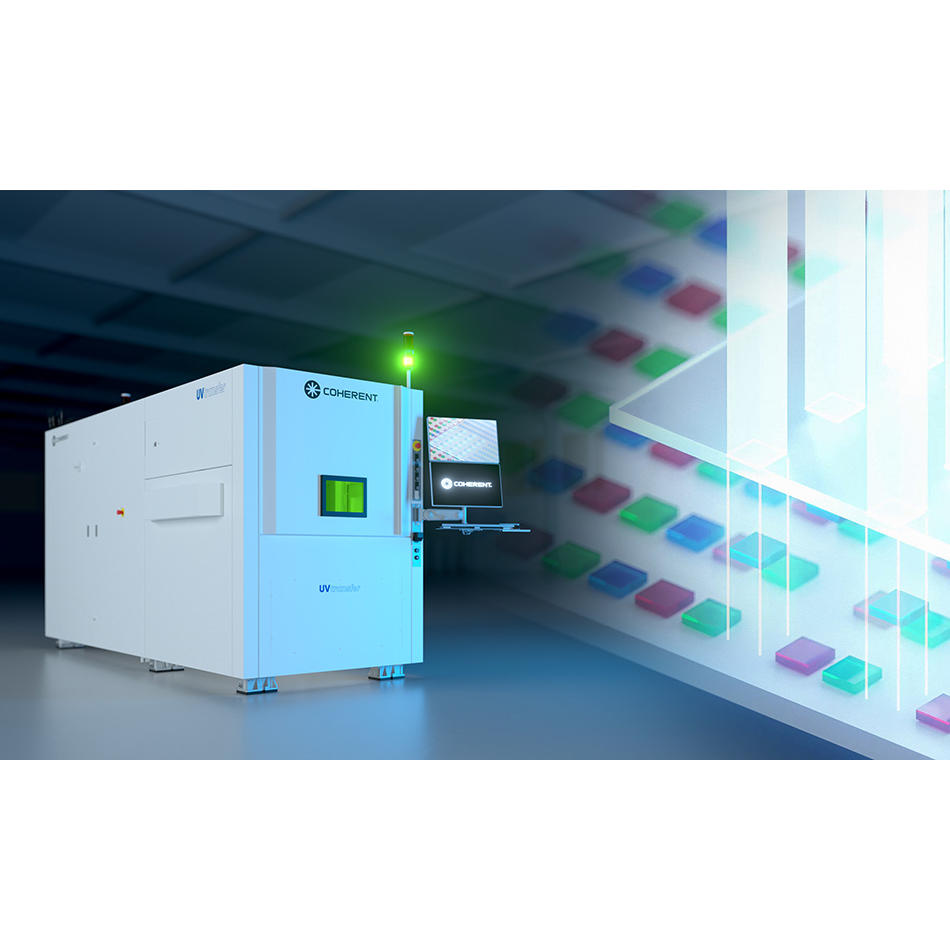
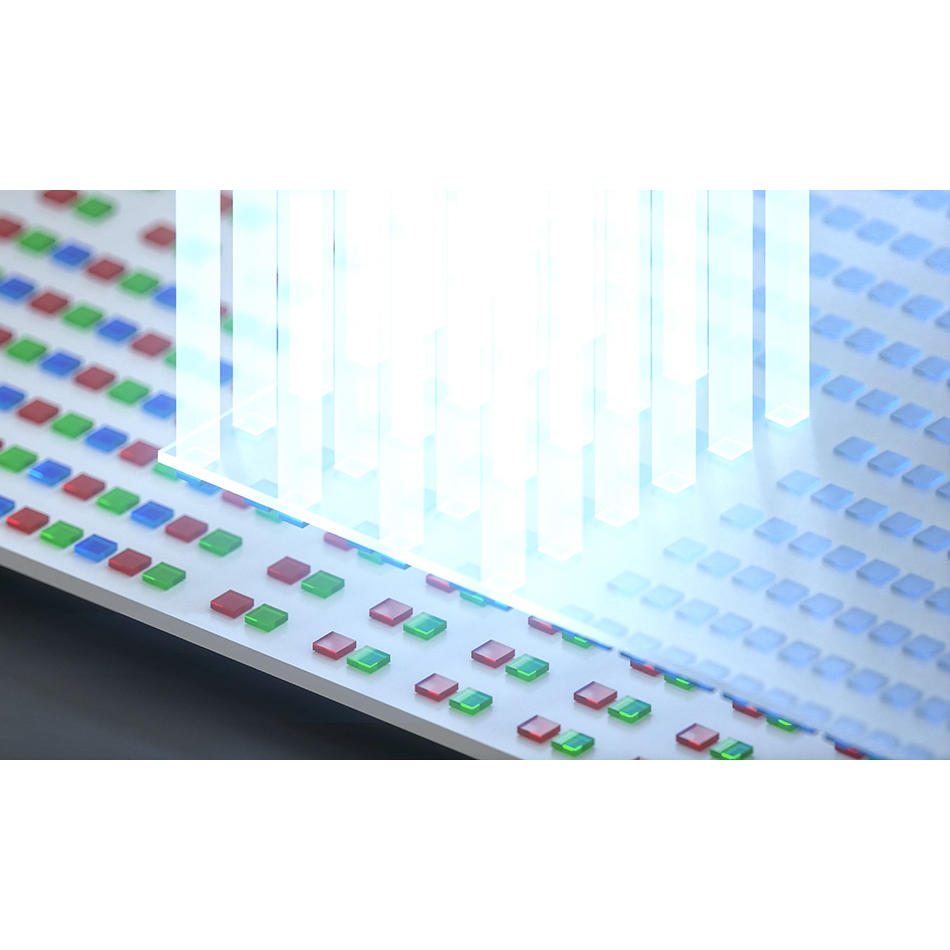
Most AR headsets use MicroLED or laser beam-scanning light engines. Coherent is well-established in delivering a key technology for MicroLED production. Specifically, Coherent tools perform Laser Lift-off (LLO) to separate MicroLED from the sapphire wafers they’re grown on. Sometimes LLO is followed by Laser-Induced Forward Transfer (LIFT), which can be performed with our UVtransfer (which performs LLO and pixel repair/trimming, as well).
Coherent also has extensive expertise in fabricating some of the miniaturized optical components used in display projectors. One of the most interesting of these is “meta-surface” micro-lens arrays for collimation.
元表面透镜利用纳米结构来改变入射光的波前。这些结构经过高精度制造,可在MicroLED阵列上以极小的公差进行对准,从而将来自各个发光器的光进行准直。元透镜结构扁平且非常薄,因此可以无缝集成到显示引擎封装中。
另一个优势在于,元透镜可通过光刻或其他晶圆级技术制造。这意味着它们可以经济高效地大规模生产。因此,这项技术非常符合增强现实(AR)眼镜的需求。
Coherent also provides other optical components for light engines. These include RGB combiners for Laser Beam Scanners (LBS) or thin-film polarizers for LCOS displays, and a wide range of optical coatings that can be applied on various types of glass or integrated into the optical stack of almost any optical element.
光路组合器
Collecting the display output and redirecting it so that it appears overlaid with the wearer’s direct view of their surroundings is probably the single biggest photonic challenge in AR headset set design. A number of highly innovative design concepts are currently being pursued by different groups to accomplish this. Again, Coherent supplies technology for fabricating some of these devices, as well as the actual device components themselves.
In many headsets the goggle lenses are waveguides. These channel light from the display (located in the frame) towards the user’s eye. The waveguides have input couplers near the display engine and output couplers in the center of the lenses. These output couplers are implemented either as surface relief gratings (SLG) or holographic optical elements (HOE).
HOEs are recorded in photopolymers using lasers. Specifically, this is accomplished using three laser sources – red, green, and blue. As with other forms of holography, the laser sources for this must be single frequency, have a long coherence length, operate with high stability, and preferably output high power (to minimize exposure time). Coherent Genesis and Verdi lasers have all of these characteristics, making them an ideal choice for recording HOEs.
Coherent can also fabricate several different beam combiner components, including the lens material itself. Some of the leading AR companies are exploring the use of optical crystals for the lenses as an alternative to glass. Crystal materials can have a refractive index of 2.3 and higher. This increases the field-of-view and enables channeling of all three colors through a single waveguide, instead of the two or three layers that are required when using glass. This helps reduce the weight of the AR goggles and makes the user experience more immersive.
光学传感器
Coherent is already a leading manufacturer in the production of components and modules for laser-based depth or 3D sensors. Specifically, our high-power VCSEL sources (both single emitters and arrays) are widely used in popular smartphones. These sources include arrays for time-of-flight (TOF) or structured light depth sensing modules. Plus, we can mate our VCSEL arrays with our diffractive or meta-surface components to produce a uniform flood illumination or dot patterns. We also design and manufacture laser driver ICs and can integrate all these components into ultra-compact modules. Our photonics experts understand that small form factor and low power consumption are the key metrics when it comes to 3D sensing for AR applications.
AR and VR headsets are positioned to become the next major consumer electronics device and internet appliances. Coherent possesses the most comprehensive portfolio of photonics-based technologies applicable to making AR goggles. This uniquely positions us to support innovation in the field – specifically delivering manufacturing tools and components that will enable the ultra-compact size, low power consumption, and high-performance devices necessary for widespread market success.
Learn more about what Coherent offers for AR.